
Brownie Box Sizes: Single, Half-Dozen, Dozen & Party Platter
The bar count drives the box. This guide breaks down brownie box sizes from a single grab-and-go carton through a full party platter, covering how each size is matched to the closure, the window, and the way the order is carried.

Awais M · Custom Packaging Specialist
Awais M helps small and mid-sized brands get custom packaging right — the box style, the material, the print finish, and the order quantity that actually fits the budget.
Why Size Drives the Brownie Boxes
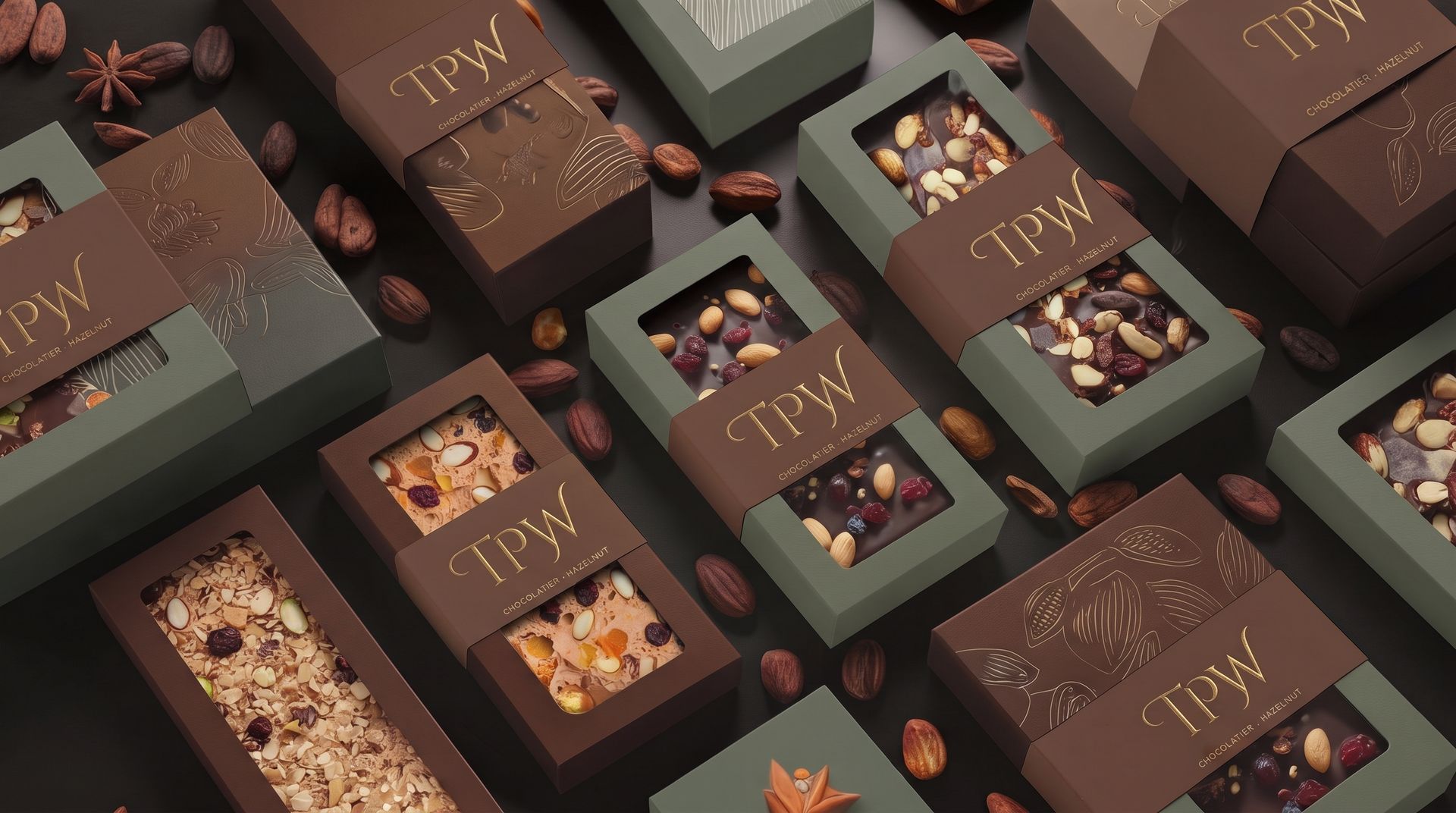
The bar count is the first thing that shapes brownie boxes. A single bar, a shareable half-dozen, a full dozen, and a catering platter each need a different footprint, a different closure, and sometimes a different board. Size the carton to the order, and the bars stay flat and intact; guess at it and the bars slide, the corners chip, or the box sags.
Brownies also bring their own sizing quirk. They are flat, dense, and heavy for their size, so the box needs a snug floor that keeps the bars from sliding and enough caliper that the base holds the weight. This guide walks through the main sizes and how each is matched to the closure and the serving style.
Who Orders These Brownie Boxes
The buyer set for sized brownie cartons is operators matching a box to how many bars go out per order. Common buyers include:
Independent bakeries running a few sizes to cover single bars through a dozen
Brownie specialty shops selling the core product in set counts
Multi-location bakery chains standardizing a small size mix across sites
Brunch and cafe programs handling both grab-and-go bars and catering platters
Gift and corporate programs sizing an assortment box for holiday and corporate gifting
The program shapes the size mix. A grab-and-go counter leans on the single-bar box, a specialty shop leans on the half-dozen and dozen, and a catering-heavy program leans on the platter.
Box Styles by Bar Count
Brownie boxes run across a few core builds, each tied to a bar count and a closure:
Single-bar grab-and-go box: a compact tuck-end carton for one brownie at the register
Half-dozen bakery box: a wider tray-style carton that keeps six bars from sliding together
Dozen bakery box: a roomier carton, often two-piece, for a full twelve-bar order
Party platter box: a wide, low carton with a secure base for a full tray
Browse the food packaging industry page for how these builds fit a bakery menu. Each size pairs with a closure that suits its weight, so a single bar runs a tuck while a dozen runs a two-piece base. Compare the builds across the bakery boxes category listing.
Sizing the Single-Bar Box
The single-bar box is the simplest size and the busiest at the counter. It runs a compact footprint sized to one brownie plus a little clearance, so the lid does not press the top. A snug floor keeps the bar from sliding during a one-hand carry, and a tuck-end top folds closed fast on the line for a quick handoff.
The single-bar box is where a clean, appetizing print earns its keep, since it goes home with one customer at a time. Send your brownie length, width, and height during quoting so the footprint fits one bar with the right clearance around it.
Sizing the Half-Dozen and Dozen Boxes
The multi-bar boxes are where capacity and protection matter most. A half-dozen box runs a tray-style footprint that seats six bars in a grid so they do not slide into one another, while a dozen box runs a larger footprint, often a two-piece lid and base that holds the weight square. The depth is set so the lid clears the tops without pressing them.
The closure follows the weight. A half-dozen can run a tuck-end or a light two-piece, while a full dozen leans toward a two-piece base for a secure bottom. A box too large lets the bars slide and the corners chip, while one packed past capacity presses them together. Send the counts you sell and your brownie dimensions during quoting so the footprint and closure fit the order.
Sizing the Party Platter Box
The party platter box is built for presentation and catering. It runs a wide, low footprint that lays a full tray of bars out flat, often with a secure two-piece base that holds the weight without flexing in transit. The low profile keeps the bars visible when the lid lifts and makes the box easy to set on a counter or buffet.
Because a platter carries the most weight, the board caliper steps up so the base holds square. A window in the lid can preview the tray for catering display, though a glaze-topped bar suits a film-backed window better than an open one. Send your tray size and bar count during quoting so the platter footprint and base fit the order.
Materials and Caliper by Size
Size and board work together. A single-bar box can run a lighter caliper since it carries one brownie, while a dozen or a platter steps up to a sturdier board so the base holds the weight square. SBS prints full-color bakery art cleanly, kraft gives an artisan look at a lower cost, and coated paperboard keeps the print crisp. For any bar that touches the board directly, the substrate is food-contact-appropriate depending on the liner choice, and grease resistance varies by the coating and the brownie composition. For the substrate range behind each size, see the packaging materials catalog.
Common Mistakes in Sizing the Box
Too little clearance around the bar: a tight footprint pinches the edges. Add a little clearance so the bar sits flat.
One size for every order: a single carton rarely fits both one bar and a dozen. Run a small size mix matched to your counts.
A tuck-end top on a full dozen: a light closure can pop under a heavy order. Choose a two-piece base for the dozen and the platter.
A footprint too loose for the count: bars slide and the corners chip. Seat the bars in a snug grid.
Overfilling to save a size: packing past capacity presses the bars together. Size up rather than overfill.
A light caliper under a platter: a thin board flexes and the tray shifts. Step up the caliper for the heaviest size.
Order Custom Brownie Boxes
Send your brownie dimensions, the counts you sell, closure and window choices, substrate, and target quantity to The Printing World. Our team will review the details and provide a quote and proofing guidance once the specifications are confirmed. Reach us through sales@theprintingworld.com, or +16133831487.
Standard production runs 10–14 business days after artwork approval. For a multi-size program or a specialty platter die, the timeline is reviewed against that window and confirmed during quoting. For the print options that pair with each size, see the finishing page.
Need custom packaging for your product?
Get pricing, samples, and expert advice — no commitment required.