
Custom Pasta Boxes: A Complete Guide to Retail & Takeout Packaging
Custom pasta boxes do two very different jobs: selling dry pasta on a shelf and carrying a hot portion out the door. This guide walks through both, covering who orders them, the box styles that fit each use, the materials that match dry versus sauced contents, and the spec mistakes worth avoiding before you order.

Awais M · Custom Packaging Specialist
Awais M helps small and mid-sized brands get custom packaging right — the box style, the material, the print finish, and the order quantity that actually fits the budget.
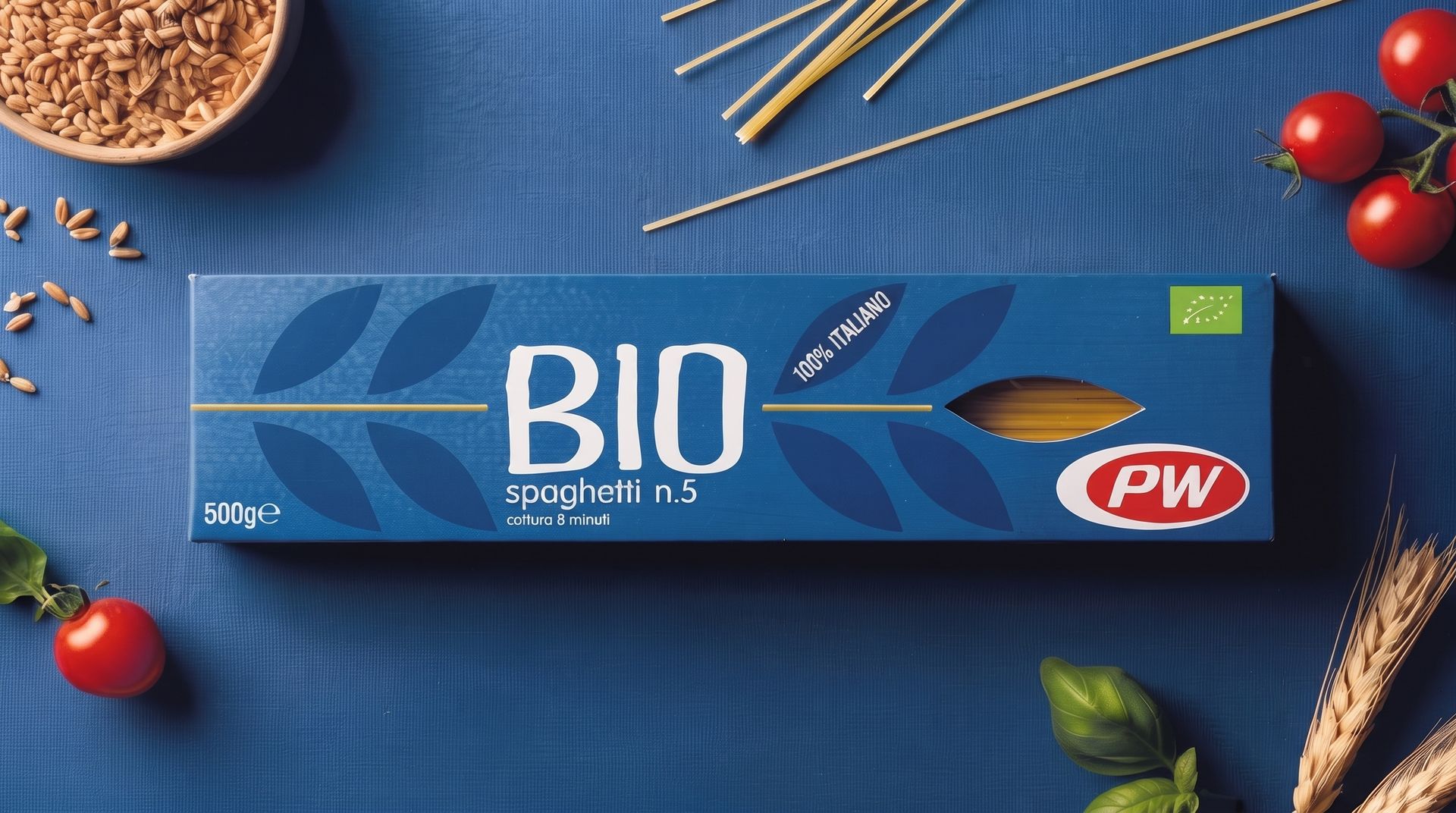
Custom pasta boxes are not one product. They split into two jobs that look and behave differently: a retail carton that sells dry pasta on a shelf, and a to-go box that carries a hot, sauced portion out of a kitchen. Before any other decision, you need to know which job your box is doing, because everything else, from structure to substrate, follows from there.
This guide covers both senses, so whether you run an artisan pasta line headed for grocery shelves or a restaurant program built for delivery, you can spec a box that fits the way your pasta is actually sold or served.
Who Orders Custom Pasta Boxes
Pasta packaging is ordered across a wide range of food businesses, and the buyer usually sits on one of the two sides:
Artisan and small-batch pasta makers: want window cartons that show off bronze-die texture and unusual noodle shapes.
Specialty and gourmet food brands: order printed retail cartons for shelf lines and gift sets.
Grocery and private-label producers: need standardized dry cartons that read the same across a family of shapes.
Italian restaurants and trattorias: want branded takeout cartons and pails for dishes sold to go.
Ghost kitchens and delivery-first brands: need closed, lined containers that survive a courier ride.
Pasta bars and fast-casual concepts: order build-your-own bowl boxes sized to a standard portion.
Meal-kit and subscription brands: use cartons that hold a measured pasta component inside a larger kit.
Caterers and event kitchens: want larger share boxes for family-style service.
If you sell dry pasta, you are merchandising a product through the box. If you serve hot pasta, you are protecting a portion in transit. Knowing your side is the start of the spec. See related foodservice formats on the food boxes listing.
Box Styles for Pasta Packaging
Pasta packaging runs across a handful of core structures, each matched to dry versus hot and how the box travels:
Straight-tuck and reverse-tuck cartons: the everyday retail folding box for dry pasta, ships flat and sets up on the line.
Window cartons: a folding carton with a die-cut window so the noodle shape is visible on the shelf.
Auto-bottom cartons: a snap-together base for heavier dry fills that need a stronger bottom.
Tuck-top takeout cartons: a closed box with a lid for a hot portion in a delivery bag.
Folded pasta pails: a noodle-pail-style container with a fold or wire handle for a single hot portion.
Clamshell cartons: a hinged base-and-lid build for a full dinner portion.
Sleeve over tray: a printed sleeve wrapping a tray for a grab-and-go or meal-kit pasta component.
Dry cartons prioritize shelf presence and flat shipping, while takeout builds prioritize containment under a warm, moist portion. Compare structures on the sandwich boxes, or burger boxes listing.
Materials That Match the Contents
The substrate is chosen for the look the brand wants and the heat, moisture, and oil the contents bring. Kraft paperboard gives a natural, artisan look and pairs well with one- or two-color print for dry retail. Bright white SBS carries full-color art and food photography cleanly. Coated or greaseproof-lined board adds oil and moisture resistance for hot, sauced takeout, and recycled CCNB lowers cost on simple runs.
For hot takeout, grease and moisture resistance depend on the coating or liner, the sauce content, and how long the portion sits, so a coated surface may help with light surface protection rather than guaranteeing a dry exterior. The substrate should be appropriate for the intended food-contact application, so confirm food-contact requirements during quoting. Browse the substrate range on the materials catalog.
Sizing the Box to the Fill or Portion
Pasta packaging is sized around the fill or the portion, not a single standard. A retail dry carton is sized to net weight, so 12 oz, 16 oz, and 1 lb fills each take a different internal volume, and long shapes like spaghetti need a taller carton than short shapes like penne or fusilli. A takeout box is sized to the cooked portion, so a single dinner fills a different footprint than a family share.
The right size keeps dry pasta from settling below the window and keeps a hot portion contained without crushing the noodles or trapping steam. Send your net weight in ounces or your cooked portion size, plus the noodle shape, and we will recommend a size range with clearance.
Standard Retail Sizing
Small / Specialty Box (8 oz to 12 oz / 225 g to 340 g): 3.75" x 1.75" x 7.0"
Designed for high-end gourmet, gluten-free, or artisan specialty shapes like orecchiette or farfalle.
Standard Retail Box (16 oz / 454 g / 1 lb): 5.25" x 2.25" x 8.0"
The universal grocery standard footprint for everyday dry shapes like penne, rotini, and elbow macaroni.
Long Pasta Box (16 oz Spaghetti / Linguine / Fettuccine): 2.75" x 1.25" x 11.0"
An elongated, slim rectangular carton built specifically to support long strands without snapping.
Family Value Box (32 oz / 907 g / 2 lb): 6.0" x 2.75" x 10.0"
A reinforced carton engineered for high-volume retail and club-store offerings.
Standard Takeout Sizing
Single-Serve Pasta Pail (16 oz / 450 ml): 3.0" x 2.5" x 3.25" (Base)
The iconic leak-proof wire-free fold carton for quick-service meals and side portions.
Standard Entrée Pail / Noodle Box (26 oz to 32 oz): 4.0" x 3.5" x 4.0" (Base)
The go-to footprint for full dinner portions of sauced pasta, gnocchi, or baked ziti.
Wide-Format Clamshell Box (Medium Portion): 6.0" x 5.0" x 2.5"
A low-profile square box ideal for layered pasta dishes like lasagna or stuffed shells.
Large Catering / Family Platter Box: 9.0" x 6.5" x 3.0"
A heavy-duty corrugated or thick kraft box designed for family-style takeout orders.
Printing and Finishing
Retail cartons reward clean, appetizing art, so full-color printing on SBS or coated board suits photo-forward brands, while one- or two-color print on kraft suits an artisan look at a lower cost. Finishes are chosen for the look, not required on every box: matte or gloss lamination keeps art crisp, a window film patch sits behind a die-cut window, and foil stamping or embossing carries a brand mark on a gift line. Keep finishing in proportion to the run and the channel. See coordinated options on the finishes page.
Common Mistakes to Avoid
Speccing one box for both jobs: a dry-retail carton and a hot-takeout box have different structures and substrates; quote them separately.
Putting a window on a hot-takeout box: windows suit dry pasta on a shelf, not a sauced portion that fogs and leaks; reserve windows for retail.
Assuming plain board resists sauce: uncoated stock may soak through with a hot, oily dish; match a coated board or greaseproof liner to the sauce load.
Sizing to the box instead of the fill: a carton too large lets dry pasta settle below the window; size to the net weight and noodle shape.
Printing photo art on uncoated kraft: kraft tends to mute color, so reserve photography for white SBS or coated board.
Leaving food-contact suitability unconfirmed: verify the coating or liner is food-contact-appropriate for the contents during quoting, not after the run.
Tell us whether you need a retail dry carton or a hot takeout box, your fill or portion size, noodle shape, substrate, and target quantity, and we will recommend a spec and quote it.
Order Custom Pasta Boxes
Whether you are merchandising dry pasta on a shelf or sending a hot portion out for delivery, the box follows the job. Send your format, size, noodle shape, substrate, window or liner need, branding, and quantity and we will match the structure to your program. Standard production runs 10 to 14 business days after artwork approval. Reorders on locked artwork may reduce proofing time because the structure and artwork are already approved, but standard production remains 10–14 business days after artwork approval unless otherwise confirmed. Contact The Printing World at sales@theprintingworld.com, or message us on WhatsApp at +16133831487.
Need custom packaging for your product?
Get pricing, samples, and expert advice — no commitment required.