
Belt Box Size Guide: Coiled vs Flat-Lay Footprints
A belt box is sized by belt length, strap width, buckle size, and whether the belt coils or lies flat. This guide shows how to measure a belt and pick the coiled or flat-lay footprint that fits, by box style.

Awais M · Custom Packaging Specialist
Awais M helps small and mid-sized brands get custom packaging right — the box style, the material, the print finish, and the order quantity that actually fits the budget.
What Sets a Belt Box Size
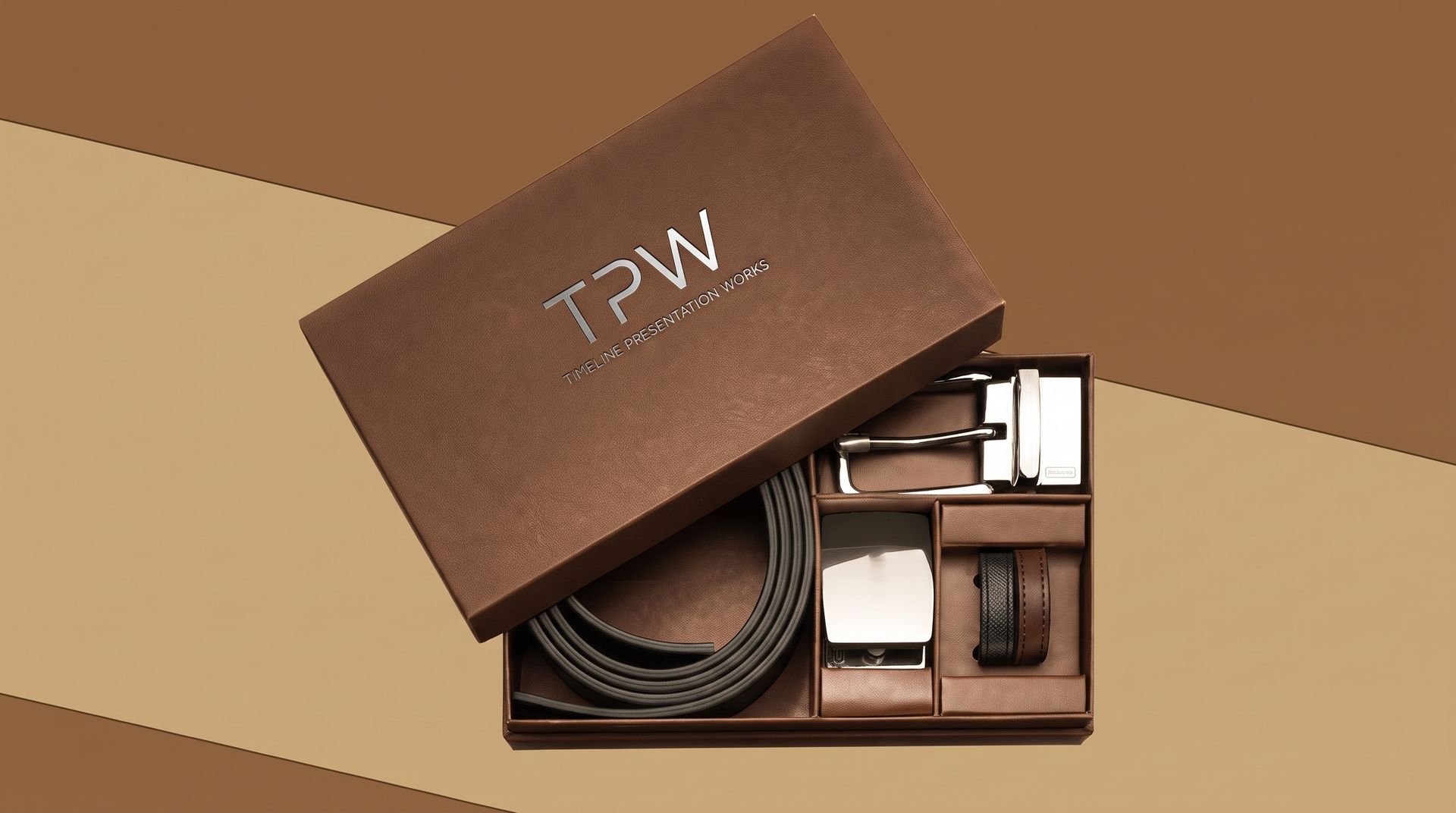
A belt box is sized by four things: the belt length, the strap width, the buckle size, and whether the belt coils or lies flat. Miss any one of them and the box either swims around the belt or pinches the buckle against the lid. Getting these measurements right up front is the difference between a box that fits and a re-die.
This guide covers how to measure a belt, how the coiled and flat-lay footprints differ, and which style fits which size. For the wider range, the custom boxes category shows related formats.
Measuring the Belt
Belt length is measured from the buckle fold to the middle hole, not end to end, since that is the figure the waist size is built on. A common dress belt runs in the 36 to 44 inch range, but the box is sized to the actual strap, not a label size. Strap width sets the box width and runs narrower for a dress belt and wider for a casual or work belt. Buckle size and thickness set the box depth, because the buckle is the tallest part of the package.
Give the belt length, the strap width, and the buckle dimensions, and the footprint follows. If the belt coils, the coil diameter replaces the length as the driving figure.
Coiled Footprint
A coiled belt curls into a round or square footprint set by the coil diameter. A softer strap coils tighter and drops to a smaller box, while a stiff full-grain belt holds a wider coil. The buckle sits in the center or under the tail, and the box depth covers the strap thickness plus the buckle. A coiled box is the compact option: it costs less to ship and display, and it stacks well on a shelf.
Flat-Lay Footprint
A flat-lay box holds the belt straight or folded once. A full-length box matches the strap shown straight, which gives the cleanest look for a dress belt but uses the most board and shelf space. A single-fold box runs around half the belt length and is the common middle ground, since one fold halves the footprint without coiling a stiff strap. The box width still follows the strap, and the depth still follows the buckle.
Belt Box Styles and Construction by Size
The style and the size work together. A coiled square box suits a softer strap and a compact retail footprint. A single-fold narrow box suits a dress belt and DTC shipping. A full-length flat box suits a strap shown straight for presentation. A wide-strap box adds width and depth for a casual or work belt with a larger buckle. These are starting footprints, since belts vary by waist size and hardware, and the cleanest path is to size the box around the actual belt with clearance for the buckle. The finishes catalog page covers the print and finish that go on top.
Reading the Common Configurations
Most programs settle on a short list of footprints rather than a long range. A coiled square box holds one coiled belt with the buckle centered, used for retail display and gift. A single-fold narrow box holds one belt folded once, used for dress belts and DTC. A full-length flat box holds one belt shown straight, used for presentation and boutique. A wide-strap box holds one casual or work belt with a heavier buckle. Picking from this short list keeps the die count down while still fitting most of a range. The materials guide covers how board choice interacts with each footprint.
Custom Printed Belt Packaging with Logo
The printed box is sized to the belt, but it still carries the brand. Full-color CMYK handles house artwork, product details, and size or care callouts across coiled and flat formats, so a brand's range reads as one family on the shelf or at the door. A gift program can swap seasonal artwork while keeping the same footprint, and a DTC brand can match the mailer to its site and inserts. Keeping the structure consistent and changing only the print is the simplest way to run a varied range without holding many dies. For coordinating the box with a wider accessory range, the apparel packaging industry page has related formats.
Common Mistakes to Avoid
Measuring the belt end to end: belt length runs from the buckle fold to the middle hole. Use that figure, not the full strap length.
Forgetting the buckle depth: the buckle is the tallest part. Set the box depth from the buckle, not the strap thickness.
Coiling a stiff belt too tight: full-grain leather holds a wider coil. Size the coiled box to how the strap actually curls.
Sizing width to the buckle: the box width follows the strap, not the buckle. Let the buckle drive depth instead.
Holding a die for every length: a single-fold box covers a range of belt lengths. Use one footprint where you can.
Order Custom Belt Packaging
To get a tight quote, send the belt length, the strap width, the buckle size and finish, the layout you want (coiled or flat-lay), the construction (rigid two-piece, folding carton, drawer, or corrugated mailer), the substrate (SBS, rigid chipboard, kraft, or corrugated), and your insert and buckle-protection needs to The Printing World. Our team will review the details and provide a quote and proofing guidance once the specifications are confirmed. Reach us at sales@theprintingworld.com, or +16133831487.
For planning, standard production remains 10–14 business days after artwork approval unless otherwise confirmed, with board, rigid wrapping, and finishing reviewed against that window when the spec is locked. Minimum order quantity starts at 100 units.
Need custom packaging for your product?
Get pricing, samples, and expert advice — no commitment required.