
Pasta Box Sizes: Retail Window Cartons & Takeout Portions
Pasta boxes are sized to the fill or the portion, never to a flat standard. This guide explains how dry retail cartons map to common net weights and noodle shapes, how takeout boxes map to single and family portions, and how to leave the right clearance so dry pasta faces well and a hot portion travels without crushing.

Awais M · Custom Packaging Specialist
Awais M helps small and mid-sized brands get custom packaging right — the box style, the material, the print finish, and the order quantity that actually fits the budget.
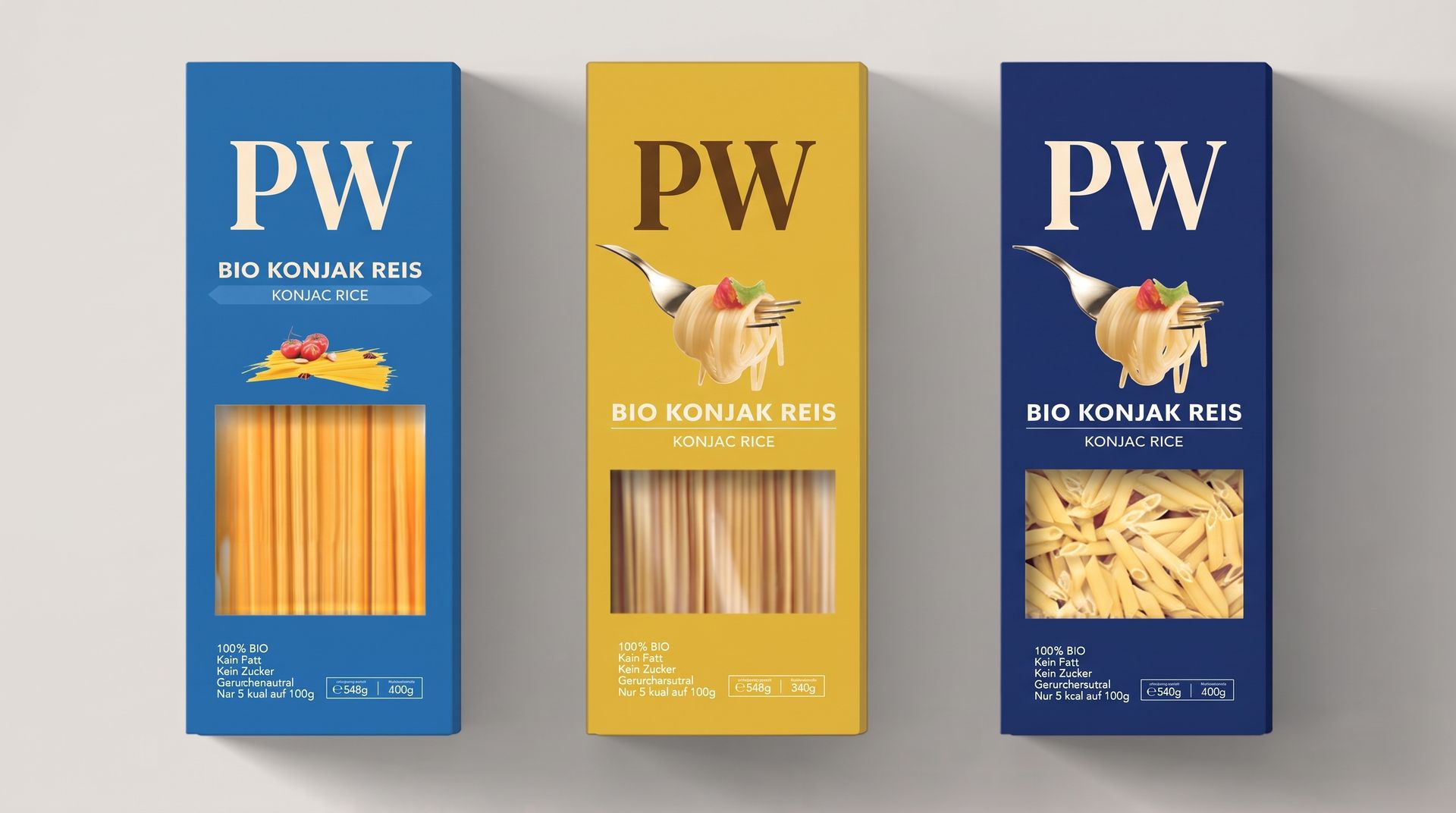
There is no single standard pasta box size, because pasta does not come in a single form. A dry retail carton is sized to net weight and noodle shape, while a hot takeout box is sized to a cooked portion. Get the size wrong and a dry carton looks half empty below the window, or a takeout lid bulges over a packed portion. This guide walks through both so you can size to the contents, not a guess.
Who Orders by Size
Size needs track the kind of pasta business doing the ordering:
Artisan dry-pasta makers: need cartons sized to net weight so the fill reaches the window line.
Specialty and gift brands: often want a slightly larger or squarer carton for shelf presence and gift sets.
Private-label producers: need consistent sizing across a family of shapes and weights.
Restaurants and trattorias: size takeout boxes to a standard single dinner portion.
Ghost kitchens: want a footprint that stacks flat in a delivery bag without tipping.
Pasta bars: size to a build-your-own bowl portion.
Caterers: need larger share boxes for family-style service.
The fill or portion sets the size, and the channel sets the footprint. See related formats on the food boxes listing.
Box Styles and How They Size
Each structure sizes a little differently, so the style and the size are chosen together:
Straight-tuck retail carton: sized to net weight, with the height set to the noodle length.
Window carton: sized so the fill reaches the window line and the shape shows clearly.
Auto-bottom carton: a deeper or heavier build for 1 lb and larger dry fills.
Tuck-top takeout carton: sized to a single cooked portion with a little headroom for the lid.
Folded pail: a compact footprint for one hot portion that travels upright.
Clamshell: a wider, shallower footprint for a full plated portion with sauce.
Compare the structures on the bakery boxes listing.
Sizing Dry Retail Cartons
Dry-pasta cartons are sized to net weight, so the common planning formats track familiar fills around 12 oz, 16 oz, and 1 lb. The internal volume changes with the noodle, not just the weight: long shapes like spaghetti and linguine need a taller carton, while short shapes like penne, fusilli, and rigatoni pack denser and sit lower. Plan the size around the noodle shape plus clearance rather than copying a competitor's box.
The fill should reach the window line so the carton does not look short of product, while still leaving enough headroom for the flaps to close cleanly. If you run several shapes under one brand, decide early whether you want one shared carton size or shape-specific sizes, since that affects tooling and shelf consistency, and the board you choose on the materials catalog can change how a taller carton holds its shape. Send your net weights and shapes, and we will recommend a size range with clearance.
Sizing Hot Takeout Boxes
Takeout boxes are sized to the cooked portion. A single dinner fills a different footprint than a share or family order, so a standard portion box and a family box are usually separate sizes rather than one stretched build. Leave headroom so the lid closes over a sauced portion without compressing the noodles, and keep the footprint stable so the box stacks flat in a delivery bag without tipping. A box too tight bulges the lid and risks a leak, while one too large lets the portion shift on the ride. Larger or family footprints may also call for a heavier board, which you can compare with finishing on the finishes page. Send your cooked portion size and serving style, and we will recommend the footprint and depth.
Common Mistakes to Avoid
Sizing dry cartons by weight alone: noodle shape changes the volume; size to the shape and net weight together.
Letting the fill sit below the window: a carton too large reads as half empty; set the size so the fill reaches the window line.
Stretching one takeout box across all portions: a single-portion box overfilled with a family order bulges the lid; size separate boxes for separate portions.
Forgetting lid headroom on takeout: a sauced portion needs clearance so the lid closes without crushing the noodles.
Ignoring the delivery-bag footprint: a box that does not stack flat tips in transit; match the footprint to a stable stack.
Copying a competitor's dimensions: their fill and shape may differ from yours; size to your own net weight and portion.
Tell us your net weights and noodle shapes for retail, or your cooked portion sizes for takeout, plus your target quantity, and we will recommend a size range.
Order Pasta Boxes in the Right Size
Size to the fill for dry retail and to the portion for hot takeout, and leave the clearance each needs. Send your weights, shapes, or portion sizes along with your branding and quantity for a sizing recommendation and quote. Standard production runs 10 to 14 business days after artwork approval. Reorders on locked artwork may reduce proofing time because the structure and artwork are already approved, but standard production remains 10–14 business days after artwork approval unless otherwise confirmed. Contact The Printing World at sales@theprintingworld.com, or message us on WhatsApp at +16133831487.
Need custom packaging for your product?
Get pricing, samples, and expert advice — no commitment required.
Industries